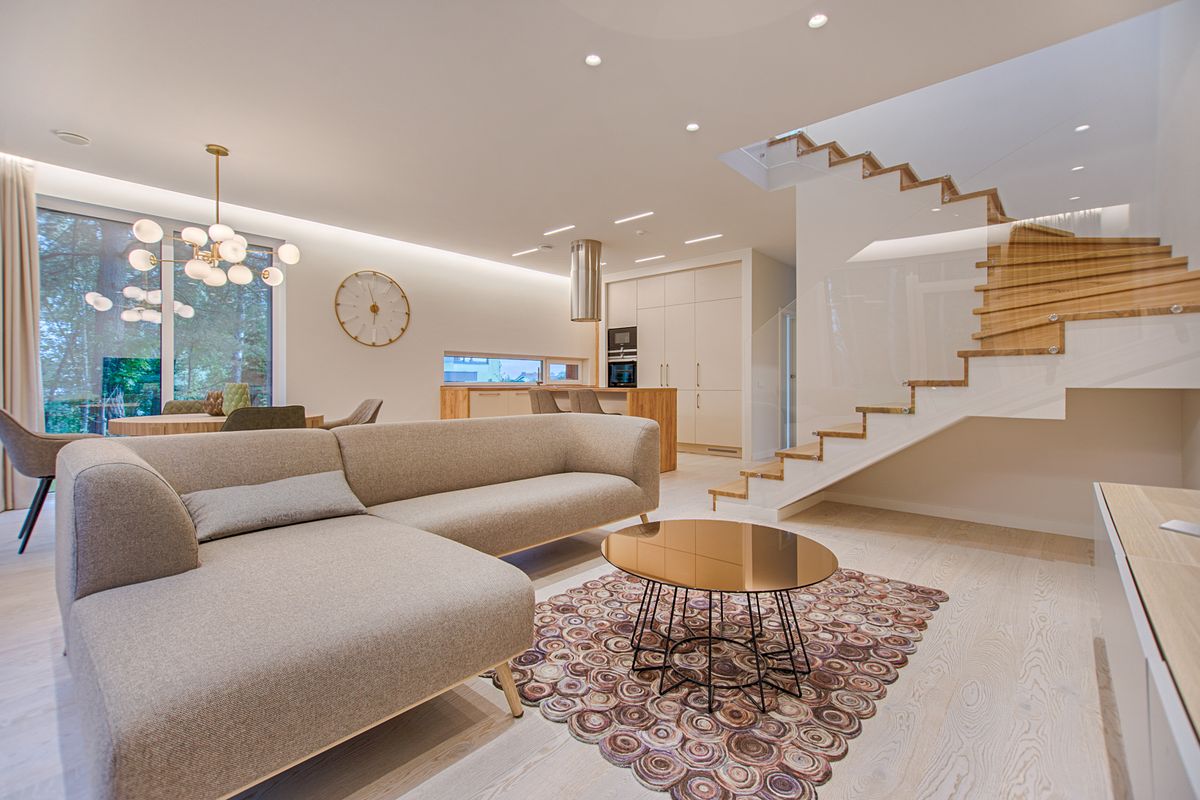
The sleek lines, warm woods, and geometric forms that defined American homes in the 1950s and 60s are experiencing a remarkable renaissance. Mid-century modern design, once dismissed as outdated, has surged back into the spotlight with a vengeance—and artificial intelligence is making it easier than ever for homeowners to capture this timeless aesthetic without the guesswork of traditional renovation planning.
Why Mid-Century Modern Appeals to Today's Homeowners
The mid-century modern revival isn't just about nostalgia. This design movement, which peaked between 1945 and 1975, emphasizes functionality, clean lines, and indoor-outdoor living—principles that align perfectly with contemporary lifestyle preferences. The style's emphasis on open floor plans and large windows creates the airy, light-filled spaces that today's homeowners crave, while its minimalist approach offers a refreshing antidote to cluttered, maximalist trends.
Real estate data supports this trend: homes with authentic mid-century modern features command premium prices, with well-preserved examples selling for 15-25% above comparable properties in the same neighborhoods. Even homes that incorporate mid-century inspired renovations see increased market appeal, particularly among millennials and Gen X buyers who appreciate the style's blend of sophistication and livability.
Key Elements That Define the Look
Successfully incorporating mid-century modern design requires understanding its fundamental characteristics. The color palette typically features warm neutrals—think caramel, ochre, and deep orange—paired with cooler tones like teal and forest green. Natural materials reign supreme, with walnut, teak, and rosewood taking center stage in furniture and built-ins.
Geometric patterns appear throughout mid-century interiors, from bold wallpaper designs to abstract area rugs. Furniture sits low to the ground with tapered legs, while lighting fixtures make dramatic statements through sculptural forms. Perhaps most importantly, the style celebrates horizontal lines and floor-to-ceiling windows that blur the boundaries between interior and exterior spaces.
Essential Furniture Pieces and Budget Considerations
Building an authentic mid-century modern room starts with key furniture investments. A genuine Eames lounge chair can cost $5,000-$7,000, but high-quality reproductions offer the same visual impact for $800-$1,500. Similarly, while original George Nelson credenzas command $3,000-$8,000, contemporary pieces inspired by his designs range from $1,200-$2,500.
For budget-conscious homeowners, focus on a few statement pieces rather than completely overhauling your space. A sleek credenza, iconic lighting fixture, and geometric area rug can transform a room for under $2,000 while maintaining authentic mid-century appeal.
Leveraging AI for Authentic Mid-Century Design
One of the biggest challenges in recreating mid-century modern style lies in balancing authenticity with personal taste and existing architectural features. This is where artificial intelligence proves invaluable. AI room design tools like RemodelAI can analyze your current space and suggest specific mid-century elements that will work harmoniously with your home's existing features, helping you avoid costly mistakes or design choices that feel forced.
AI technology excels at understanding the nuanced relationships between colors, textures, and proportions that make mid-century design so compelling. Rather than relying on generic design templates, these tools can suggest specific paint colors that will complement your lighting conditions, recommend furniture arrangements that maximize your room's flow, and even identify which walls would benefit from signature mid-century features like wood paneling or stone accents.
Practical Implementation Strategies
Start your mid-century transformation with paint and lighting—two changes that deliver maximum impact for minimal investment. Sherwin-Williams' "Cavern Clay" or Benjamin Moore's "Sedona Clay" capture the warm, earthy tones characteristic of the era for around $50-$70 per gallon. Pair these colors with period-appropriate lighting fixtures; original Sputnik chandeliers range from $300-$1,200, while contemporary versions start around $150.
Next, focus on window treatments and flooring. Replace heavy drapes with simple panels or horizontal blinds to emphasize clean lines and natural light. If budget allows, consider replacing carpet with hardwood floors or large-format tiles that echo the style's emphasis on natural materials. These changes typically cost $3-$12 per square foot but dramatically enhance the authentic mid-century feel.
Integrating Modern Technology Seamlessly
Contemporary homeowners needn't sacrifice modern conveniences for period authenticity. Smart home technology can be integrated discretely through hidden speakers, motorized blinds, and sleek wall-mounted tablets that echo the era's love of clean, geometric forms. Choose devices in matte black or warm metallic finishes that complement rather than compete with authentic mid-century pieces.
Mid-century modern's enduring appeal lies in its fundamental understanding that good design should enhance daily life rather than complicate it. By combining the style's timeless principles with today's advanced planning tools and modern conveniences, homeowners can create spaces that feel both authentically retro and thoroughly contemporary—achieving that perfect balance of form, function, and genuine livability that defines truly great interior design.
