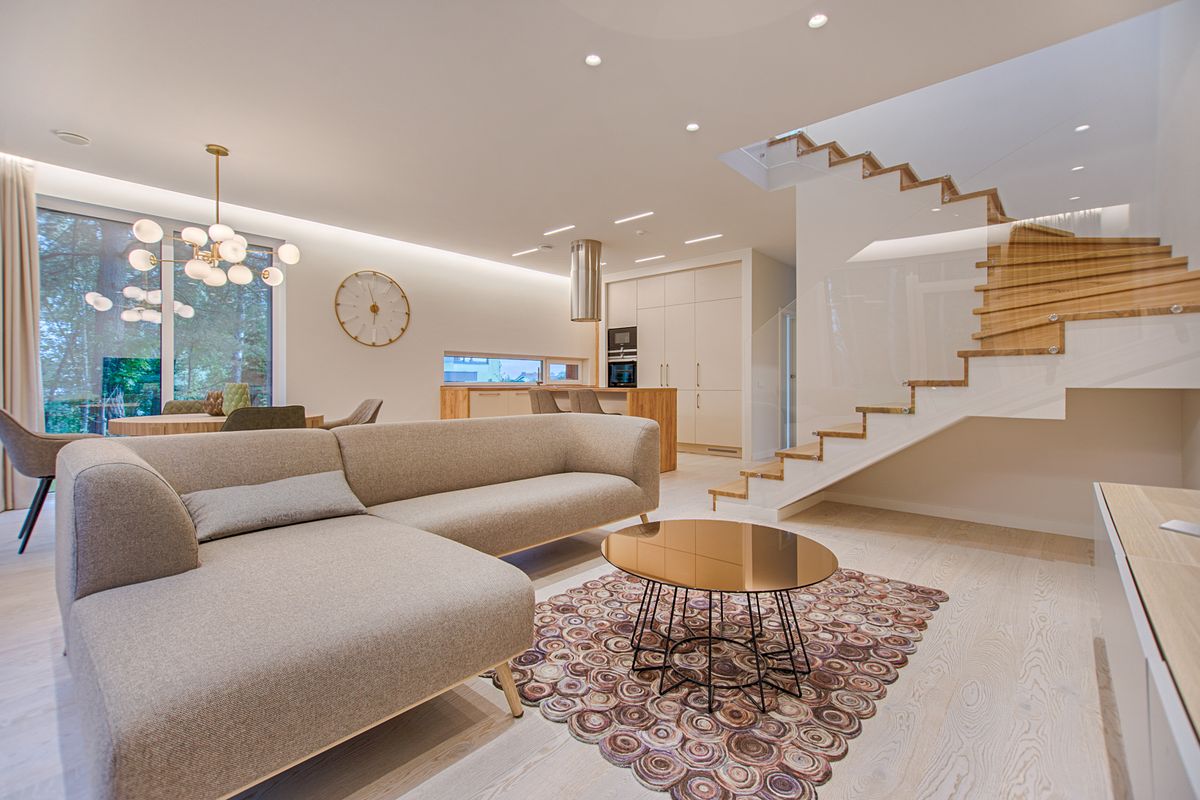
The modern home office has evolved far beyond a simple desk tucked into a spare bedroom corner. As remote work becomes increasingly permanent for millions of professionals, the home office has transformed into a sophisticated workspace that must balance productivity, comfort, and aesthetic appeal. Today's remote workers are investing in thoughtfully designed spaces that rival traditional corporate environments while reflecting their personal style and supporting their unique work patterns.
Biophilic Design Takes Center Stage
The integration of natural elements continues to dominate home office design in 2026, with biophilic principles proving essential for mental wellbeing and productivity. Living walls, which can cost between $15-25 per square foot installed, offer dramatic visual impact while improving air quality. For budget-conscious homeowners, a carefully curated collection of low-maintenance plants like pothos, snake plants, and ZZ plants can achieve similar benefits for under $200.
Natural lighting remains paramount, with south-facing windows preferred for consistent illumination throughout the day. When natural light is limited, full-spectrum LED panels that mimic circadian rhythms are increasingly popular, ranging from $150-400 for quality fixtures that reduce eye strain and maintain energy levels.
Technology Integration and Cable Management
The modern home office requires seamless technology integration without visual clutter. Built-in cable management systems, including desktop grommets and under-desk cable trays, maintain clean sight lines while accommodating multiple monitors, charging stations, and peripherals. Professional installation of in-wall cable routing typically costs $200-500 per room but creates a permanently organized workspace.
Height-adjustable desks have become standard, with quality electric models ranging from $400-1,200. The investment proves worthwhile for remote workers spending 6-8 hours daily at their workspace, offering significant ergonomic and health benefits. Pairing these desks with anti-fatigue mats ($50-150) and monitor arms ($100-300) creates a fully adaptable workstation.
Smart Storage Solutions
Effective storage remains crucial as home offices serve multiple functions throughout the day. Floor-to-ceiling built-in cabinetry, while representing a significant investment of $2,000-5,000, provides maximum storage capacity while maintaining architectural continuity with the home. More budget-friendly alternatives include modular shelving systems and multi-functional furniture pieces that can be reconfigured as needs change.
Hidden storage solutions, such as ottoman storage benches and desks with integrated filing systems, help maintain the clean aesthetic essential for video conferencing while keeping necessary materials accessible.
Acoustic Design for Professional Presence
Sound management has become critical as remote workers participate in increasing numbers of video calls and virtual meetings. Acoustic panels, available in attractive fabric-wrapped options for $3-8 per square foot, significantly improve both sound quality and visual appeal. Strategic placement behind the desk area creates an attractive backdrop while reducing echo and outside noise interference.
Soft furnishings play an equally important role in acoustic management. Area rugs, particularly those with dense pile construction, heavy curtains, and upholstered seating absorb sound effectively while contributing to overall comfort and style. These additions typically cost $500-1,500 but dramatically improve the professional quality of video communications.
Flexible Layouts for Changing Needs
The most successful home offices in 2026 embrace flexibility, acknowledging that work patterns continue to evolve. Modular furniture systems allow for easy reconfiguration, while wheels and lightweight materials enable quick transitions between focused work, collaborative sessions, and creative projects.
Multi-zone office layouts are increasingly popular, creating distinct areas for computer work, phone calls, and break activities within a single room. AI room design tools like RemodelAI can help homeowners visualize different layout options and optimize furniture placement for maximum functionality and flow.
Lighting Layers for All-Day Comfort
Sophisticated lighting design incorporates multiple layers to support various work activities throughout the day. Ambient lighting provides general illumination, task lighting focuses on specific work areas, and accent lighting adds visual interest and warmth. Dimmable LED systems, controlled through smart switches or apps, allow for easy adjustment as natural light changes throughout the day.
Quality desk lamps with adjustable color temperature, ranging from $100-400, reduce eye strain during extended computer work while providing adequate illumination for reading and writing tasks.
The Future of Home Office Design
As remote work continues to evolve, successful home offices will be those that anticipate changing needs while maintaining timeless design principles. The integration of natural elements, sophisticated technology, and flexible layouts creates workspaces that enhance both productivity and wellbeing. By investing in quality materials, thoughtful design, and adaptable solutions, homeowners can create office environments that rival the best commercial spaces while reflecting their personal aesthetic and supporting their long-term career goals.

