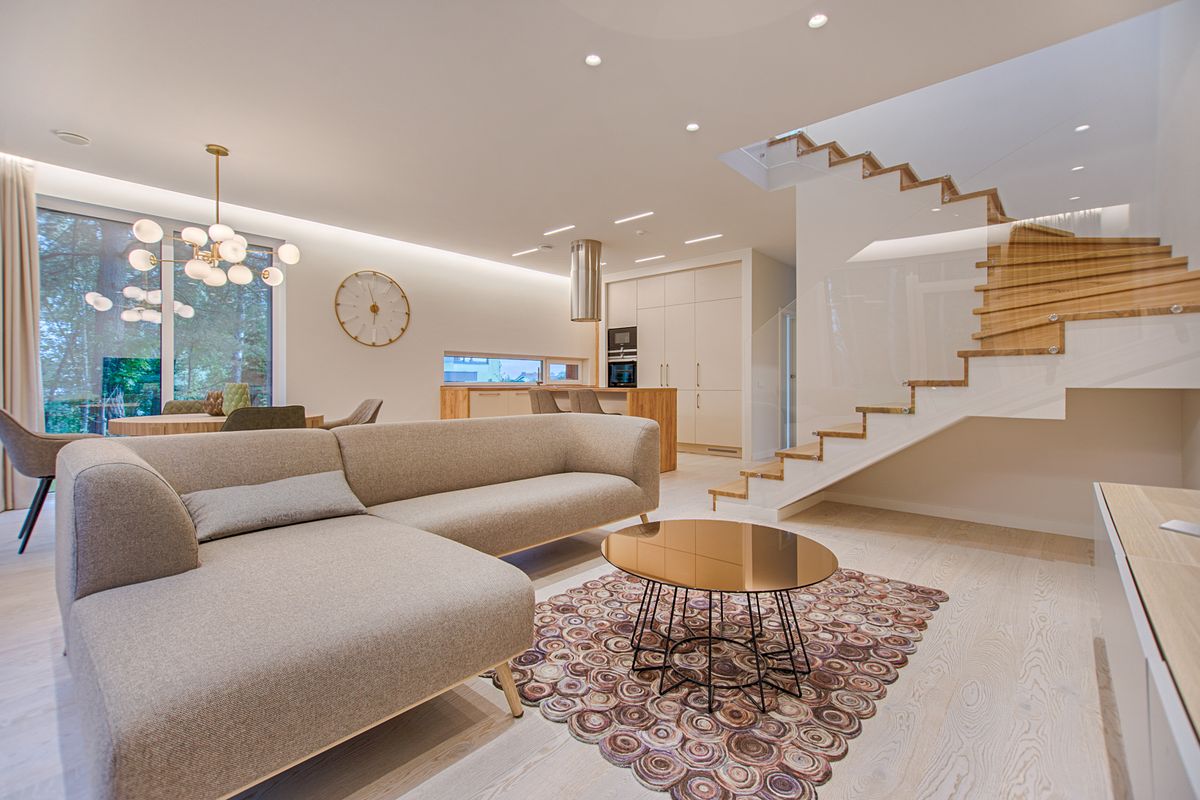
The eternal debate between modern minimalism and traditional warmth continues to divide homeowners, but artificial intelligence is revolutionizing how we explore and compare these distinct design philosophies. With the ability to instantly visualize spaces in different styles, AI tools are helping homeowners make more informed decisions about their renovation investments, often revealing surprising insights about cost, functionality, and long-term satisfaction.
Understanding the Financial Impact of Style Choices
The cost differential between modern and traditional renovations can be substantial, often varying by 20-40% depending on material choices and architectural modifications. Modern designs typically favor clean lines, open spaces, and minimalist fixtures, which can reduce labor costs but may require premium materials like natural stone countertops or custom millwork. A modern kitchen renovation averages $45,000-65,000, while traditional kitchens often range from $55,000-80,000 due to detailed cabinetry, ornate hardware, and multiple finish materials.
Traditional designs frequently demand more intricate craftsmanship—think crown molding, wainscoting, and decorative trim work—driving up labor expenses. However, traditional styles often allow for more flexibility with material grades, as ornate details can elevate mid-range finishes. Modern aesthetics, conversely, rely heavily on material quality since every surface is prominently displayed without decorative camouflage.
Spatial Considerations and Layout Efficiency
Modern design principles emphasize open floor plans and multifunctional spaces, potentially increasing a home's perceived square footage by 15-25% without structural changes. This approach works particularly well in smaller homes where maximizing visual space is crucial. Traditional layouts often feature defined rooms with specific purposes, which can feel more intimate but may limit flexibility for contemporary lifestyles.
When comparing styles through AI room design tools like RemodelAI, homeowners frequently discover how dramatically different approaches to space planning affect daily functionality. Modern designs might eliminate formal dining rooms in favor of expanded kitchens, while traditional approaches maintain separate entertaining spaces that some families find essential.
Storage Solutions by Style
- Modern: Built-in solutions, hidden storage, minimal visible organization
- Traditional: Freestanding furniture, decorative storage, display-focused organization
- Hybrid: Contemporary efficiency with traditional warmth through mixed materials
Material Selection and Longevity Factors
Material choices significantly impact both initial costs and long-term maintenance. Modern designs often showcase materials in their natural state—exposed concrete, raw steel, natural wood grain—requiring high-quality selections that age gracefully. A modern bathroom might feature a $3,500 floating vanity in white oak, while a traditional equivalent could achieve similar impact with a $2,200 painted vanity enhanced by decorative details.
Traditional styles offer more forgiveness with material imperfections, as decorative elements and varied textures can mask wear patterns. However, the complexity of traditional designs often requires more maintenance over time. Ornate trim work needs regular painting, while detailed tile patterns require more intensive cleaning than simple subway installations.
Lighting Strategy Comparisons
Lighting approaches differ dramatically between styles and significantly impact both ambiance and energy costs. Modern designs typically rely on architectural lighting—recessed fixtures, linear LED strips, and statement pendant lights—creating clean illumination that supports the minimalist aesthetic. This approach often reduces fixture costs while requiring more sophisticated electrical planning.
Traditional spaces embrace layered lighting through table lamps, sconces, and chandeliers, creating warm, intimate environments. While individual fixtures may cost more, the distributed lighting approach offers greater flexibility and can be adjusted over time without rewiring.
Technology Integration Considerations
Modern designs naturally accommodate smart home technology, with clean lines easily hiding wiring and devices. Traditional homes require more creative integration approaches, often necessitating custom solutions that can add 10-20% to technology installation costs. Consider how each style handles contemporary necessities like large-screen TVs, charging stations, and home automation panels.
Resale Value and Market Appeal
Market data suggests that modern updates tend to appeal to younger demographics and urban buyers, while traditional renovations often attract families and buyers in suburban markets. However, the most successful renovations often blend elements from both styles, creating timeless appeal that transcends current trends.
Regional preferences also play a crucial role—contemporary styles perform better in metropolitan areas, while traditional approaches often yield higher returns in established suburban neighborhoods and historic districts.
The choice between modern and traditional design ultimately depends on personal lifestyle, budget constraints, and long-term goals. AI visualization tools have democratized the design process, allowing homeowners to experiment with both approaches before committing to expensive renovations. By carefully considering functionality, cost implications, and personal preferences, homeowners can create spaces that not only reflect their aesthetic vision but also enhance their daily lives and property value for years to come.